Why Does My Cat Meow at Night? 7 Common Causes and What to Do
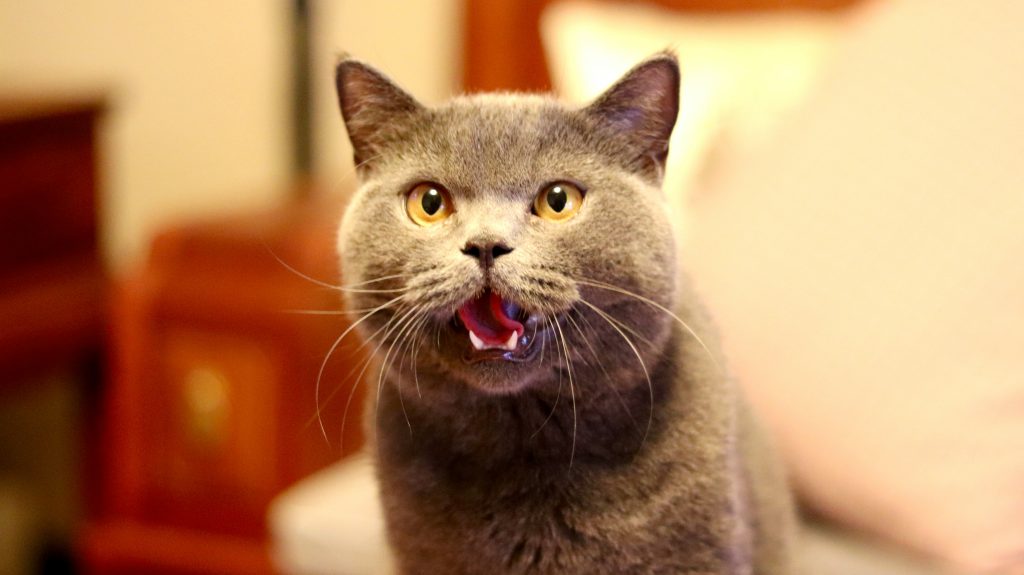
If your cat meows at night, you’re not alone. Many cat owners find themselves awake wondering why their feline friend is so vocal when the house is quiet. While some nighttime meowing is normal, excessive or persistent vocalization can be frustrating and may signal that your cat needs help or attention.
Understanding the reasons behind your cat’s night-time meowing is the first step toward a peaceful night—for both of you. Here are 7 common causes of nighttime meowing and what you can do about each.
7 Common Reasons Why Cats Meow at Night
1. Hunger or Thirst
Cats may meow at night simply because they’re hungry or thirsty. If your cat’s last meal was several hours before bedtime, they might be waking you up for a snack.
What to do: Try feeding your cat a small meal or snack before bed and ensure fresh water is always available.
2. Loneliness or Attention-Seeking
Cats are social creatures. If your cat feels lonely or bored, especially if left alone for long periods during the day, they may call out at night for companionship.
What to do: Spend quality playtime with your cat before bedtime. Consider interactive toys or even a second cat for company if suitable.
3. Medical Issues
Pain, discomfort, or illness can cause your cat to vocalize more than usual. Conditions such as hyperthyroidism or cognitive dysfunction in older cats often lead to nighttime meowing.
What to do: If your cat’s meowing is new, persistent, or accompanied by other symptoms like weight loss or changes in behavior, visit your veterinarian for a checkup.
According to the American Veterinary Medical Association, changes in vocalization can be an early sign of underlying health issues in cats.
4. Stress or Anxiety
Changes in the environment, new pets, or loud noises can cause stress and anxiety, making your cat restless and vocal at night.
What to do: Create a calm, safe space for your cat. Use calming pheromone diffusers and maintain a consistent routine.
You may also find our guide on signs your cat may be sick helpful if behavior changes suddenly.
5. Disrupted Sleep Cycle
Cats are naturally crepuscular, meaning they’re most active at dawn and dusk. This means your cat’s internal clock might lead to nighttime activity.
What to do: Engage your cat in play during the day and evening to tire them out, helping adjust their sleep cycle.
6. Cognitive Dysfunction Syndrome (CDS)
Older cats may suffer from CDS, similar to dementia in humans. This condition can cause confusion and increased vocalization, especially at night.
What to do: Consult your vet for diagnosis and management options if your senior cat is meowing excessively at night.
7. Desire to Mate
Unspayed or unneutered cats may vocalize loudly at night when seeking a mate.
What to do: Spaying or neutering your cat often reduces or eliminates nighttime vocalization related to mating behaviors.
Understanding why your cat meows at night helps you respond effectively and compassionately. Whether it’s a simple need like food or a more serious health concern, addressing the cause can lead to quieter nights and a happier cat.
FAQs
Is it normal for cats to meow at night?
Yes, some nighttime meowing is natural, but excessive or loud vocalization may indicate a problem that needs attention.
How can I stop my cat from meowing at night?
Identify the cause—like hunger, loneliness, or medical issues—and address it. Interactive play before bed and a consistent routine can help.
Could my cat’s nighttime meowing be a medical problem?
Yes, conditions like hyperthyroidism or cognitive dysfunction can cause increased vocalization. A vet visit is recommended if you notice other symptoms.
Will spaying or neutering reduce nighttime meowing?
Often, yes. Spaying or neutering reduces mating-driven vocalizations in cats.
Can I train my cat to be quiet at night?
Yes, through consistent routines, ignoring attention-seeking meows, and providing enough stimulation during the day, you can reduce nighttime vocalization.