Introduction
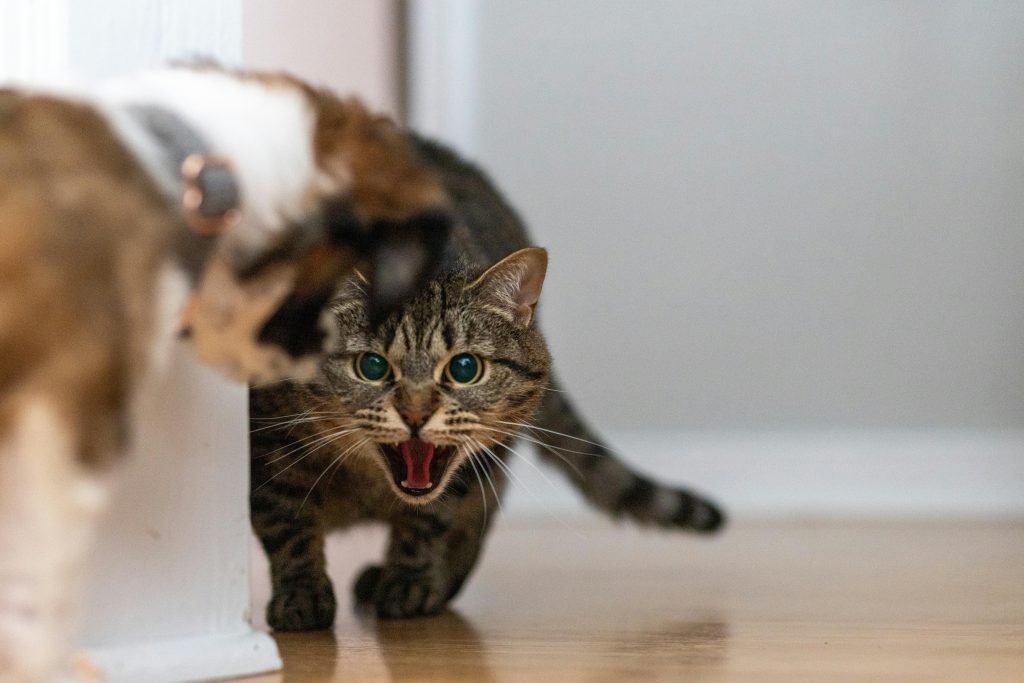
Cat suddenly acting aggressive behavior can be confusing and upsetting, especially if your cat was previously calm and affectionate. One day everything feels normal, and the next you’re dealing with hissing, biting, swatting, or growling that seems to come out of nowhere.
Sudden aggression is rarely random. In most cases, it’s your cat’s way of communicating fear, pain, stress, or unmet needs. Understanding why this behavior appears is the first step toward fixing it safely and effectively.
Why a Cat Suddenly Acting Aggressive Is a Serious Signal
When a cat suddenly acting aggressive shows up, it’s important not to dismiss it as “bad behavior.” Cats don’t act out without a reason. Aggression is usually a symptom, not the root problem.
A sudden change in temperament often means something has shifted physically, emotionally, or environmentally in your cat’s world.
Common Reasons Your Cat Is Suddenly Acting Aggressive
1. Pain or Medical Issues
Pain is one of the most common reasons a cat suddenly acting aggressive becomes noticeable. Cats instinctively hide discomfort, but when pain reaches a certain level, aggression can appear as a defense mechanism.
Dental disease, arthritis, urinary problems, injuries, or infections can all cause sudden irritability. Even gentle petting may trigger a reaction if it touches a sensitive area.
According to the American Veterinary Medical Association, behavioral changes are often one of the earliest signs of illness in cats.
2. Fear, Stress, or Anxiety
Cats are highly sensitive to changes in their environment. A new home, new people, loud noises, construction, or even rearranged furniture can cause stress.
If your cat suddenly acting aggressive coincides with a recent change, fear may be the underlying trigger. Stress-related aggression often appears alongside hiding, excessive grooming, or changes in appetite.
Sudden aggression is often linked to stress, especially in cats struggling with routine changes, which is why understanding how to create a stable daily environment for your cat can make a noticeable difference.
3. Redirected Aggression
Redirected aggression happens when a cat becomes overstimulated by something they cannot reach—such as another cat outside the window—and then lashes out at the nearest person or pet.
This type of aggression can be intense and sudden, even in cats that are normally gentle.
4. Overstimulation
Some cats have a lower tolerance for physical contact. Petting for too long, touching sensitive areas, or sudden movement can overwhelm them.
When a cat suddenly acting aggressive during petting, it may be due to overstimulation rather than anger. Warning signs often include tail flicking, flattened ears, or tense body posture just before the reaction.
5. Territorial Behavior
Cats are territorial by nature. Introducing a new pet, allowing unfamiliar animals nearby, or even seeing another cat through the window can trigger defensive aggression.
This is especially common in multi-cat households or indoor cats exposed to outdoor animals.
What to Do When Your Cat Is Suddenly Acting Aggressive
Start by giving your cat space. Do not punish, yell, or attempt to force affection. This can increase fear and make the behavior worse.
Observe patterns. Take note of when the aggression happens, what was happening beforehand, and whether it’s directed at people, animals, or specific situations.
If the behavior persists or escalates, a veterinary checkup is essential to rule out medical causes. Addressing pain or illness often resolves aggression quickly.
How to Prevent Aggression From Getting Worse
Create a predictable routine with regular feeding times, play sessions, and quiet resting areas. Enrichment such as interactive toys, scratching posts, and window perches can help release pent-up energy.
Avoid overstimulation and respect your cat’s boundaries. Learning to recognize early warning signs allows you to stop interactions before aggression occurs.
When to Seek Professional Help
If your cat suddenly acting aggressive becomes frequent, severe, or dangerous, consult a veterinarian or certified animal behaviorist. Early intervention prevents long-term behavior problems and keeps both you and your cat safe.
A cat suddenly acting aggressive is not being “mean” or “difficult.” It’s a form of communication that something isn’t right. By paying attention, responding calmly, and addressing the underlying cause, most aggression issues can be resolved with patience and understanding.
FAQs
Why is my cat suddenly acting aggressive?
Sudden aggression in cats is usually caused by pain, stress, fear, or changes in their environment.
Can illness cause a cat to become aggressive?
Yes, medical issues like dental pain, injuries, or infections can make a cat suddenly aggressive.
How do I stop my cat from being aggressive suddenly?
Give your cat space, avoid punishment, and identify triggers. If it continues, consult a veterinarian.