Introduction
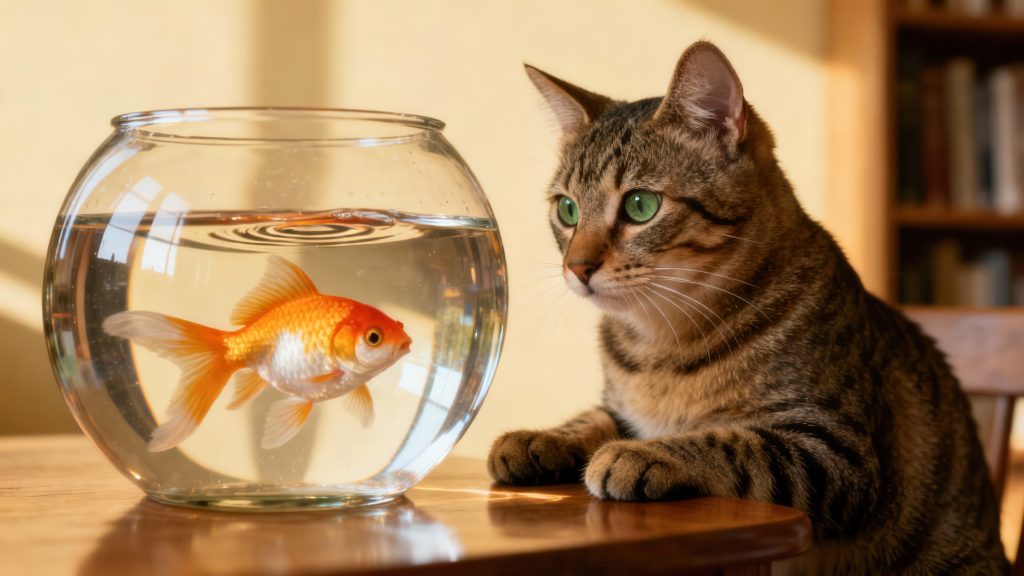
Can cats eat raw fish? It’s a question many cat owners ask—especially when their cat goes crazy over the smell of fish in the kitchen. Fish seems natural for cats, right? After all, many commercial cat foods are fish-based. But raw fish is a different story, and it’s not as harmless as it looks.
As a long-time cat owner and researcher of feline nutrition, I’ve learned that raw fish can pose real risks if fed regularly or incorrectly.
Why cats love fish so much
Cats are drawn to fish because it’s rich in protein and has a strong smell that triggers their hunting instincts. Some cats will beg relentlessly the moment they smell raw salmon or tuna.
However, what cats love isn’t always what’s best for them.
The hidden risks of feeding cats raw fish
1. Thiamine deficiency (Vitamin B1)
One of the biggest dangers is thiaminase, an enzyme found in many raw fish. This enzyme destroys vitamin B1, which cats absolutely need for brain and nerve function.
A deficiency can lead to:
- Loss of appetite
- Weakness
- Seizures
- Serious neurological damage
Cooking fish destroys thiaminase. Raw fish does not.
2. Bacteria and parasites
Raw fish can carry Salmonella, Listeria, and parasites, which can make cats sick—and can even spread to humans through litter boxes or saliva.
Cats have sensitive digestive systems. Even a small exposure can cause vomiting or diarrhea.
3. Mercury exposure
Fish like tuna can contain mercury. While small amounts occasionally aren’t dangerous, regular raw fish feeding increases toxin buildup over time.
This is especially risky for kittens and senior cats.
According to the American Veterinary Medical Association, raw fish may carry harmful bacteria for pets.
Can Cats Eat Raw Fish Safely?
In short: raw fish should never be a regular part of a cat’s diet.
Some raw-feeding advocates argue that frozen, parasite-treated fish can be safer, but this requires strict handling, sourcing, and nutritional balancing. Most pet owners do not do this correctly.
Without professional guidance, the risks outweigh the benefits.
What about sushi or raw salmon?
Even high-quality sushi-grade fish is not formulated for cats. It lacks essential nutrients cats need daily and may still contain thiaminase or bacteria.
Sharing a tiny bite once is unlikely to cause harm, but it should never become a habit.
Better alternatives to raw fish
If your cat loves fish flavors, safer options include:
- Cooked, unseasoned fish (boiled or baked, no salt or spices)
- High-quality commercial cat food with fish protein
- Freeze-dried cat treats designed for feline nutrition
These options give your cat the taste they love without the health risks.
Choosing the right food matters just as much as avoiding risky treats, which is why many owners also compare options like wet food vs dry food for cats to support long-term health.
How often can cats eat fish?
Fish should be an occasional treat, not a daily meal. A balanced cat diet relies on complete proteins, vitamins, and minerals—something raw fish alone cannot provide.
If your cat constantly craves fish, it may simply be preference—not nutritional need.
Many owners ask can cats eat raw fish because it seems natural, but raw diets come with real risks that aren’t always obvious.
It’s also worth noting that cats have very sensitive digestive systems, and even small dietary changes can cause reactions. When introducing any new food, observing your cat’s behavior, appetite, and litter habits can help you spot problems early.
So, can cats eat raw fish? Technically yes, but practically and safely—no.
While raw fish looks natural, it carries hidden dangers that can affect your cat’s long-term health. As cat owners, our job is to choose what’s safest, not just what they enjoy in the moment.
When in doubt, cooked food and complete cat diets are always the better choice.
FAQs
Can cats eat raw fish safely?
No, raw fish is not safe for regular feeding due to bacteria and harmful enzymes.
What happens if a cat eats raw fish?
It can cause digestive issues, vitamin B1 deficiency, or bacterial infections.
Is cooked fish better than raw fish for cats?
Yes, cooked fish is safer because it removes harmful bacteria and enzymes.