Can Cats Drink Milk? 5 Shocking Truths Most Owners Don’t Know
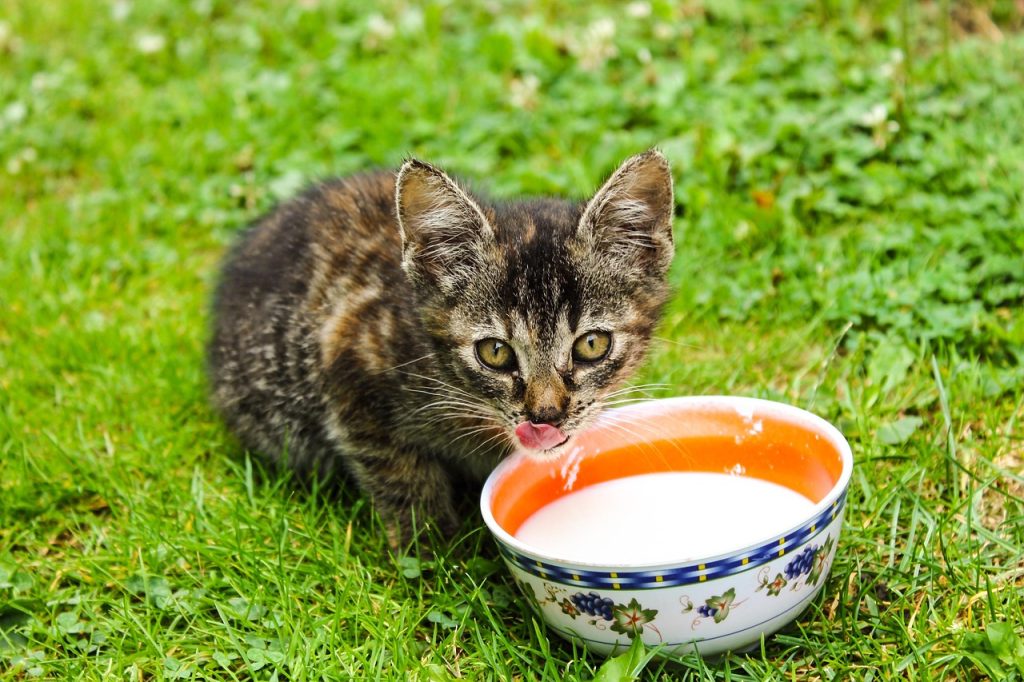
Milk and cats have long been paired in popular culture, but is this beloved image actually good for our feline friends? Many cat owners assume milk is a harmless treat, but the truth is more complex—and surprising. While some cats seem to enjoy milk, it can cause serious digestive issues for many.
Why Do Cats Like Milk So Much?
Cats are naturally drawn to the rich smell and fat content in milk. It tastes creamy and appealing, making it an enticing treat. However, liking something doesn’t always mean it’s beneficial or safe.
Can Cats Digest Milk Properly?
Most adult cats are lactose intolerant. This means they lack sufficient amounts of the enzyme lactase, which is necessary to break down lactose—the sugar found in milk. Without this enzyme, lactose passes undigested into the gut, causing unpleasant symptoms such as:
- Diarrhea
- Gas and bloating
- Vomiting
- Abdominal discomfort
Even small amounts of regular milk can trigger these reactions in sensitive cats.
Is Milk Ever Safe for Cats?
While milk isn’t toxic, it’s generally not recommended as a regular part of a cat’s diet. Kittens can digest their mother’s milk well, but as cats mature, their ability to digest lactose diminishes. If you want to offer milk, lactose-free cat milk specially formulated for feline digestion is a safer option.
According to experts in feline digestive health, water should always be the primary source of hydration for cats.
Better Alternatives to Milk
Instead of giving your cat regular milk, consider these healthier choices:
- Always provide fresh, clean water
- Offer lactose-free cat milk as an occasional treat
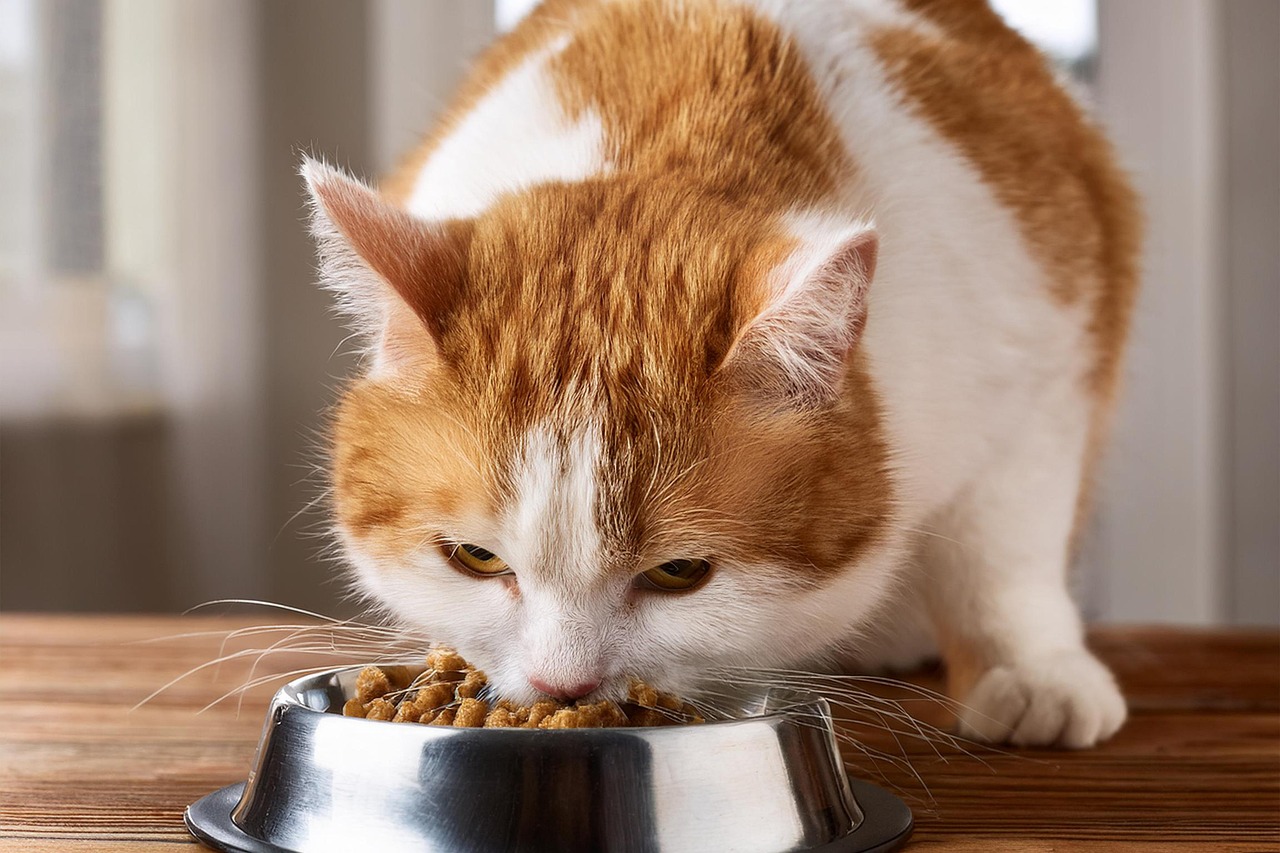
- Use wet cat food to help with hydration
If you’re unsure about food types, our guide on wet food vs dry food for cats can help support your cat’s digestion and hydration needs.
When Milk Becomes a Problem
If your cat consistently experiences stomach upset after drinking milk, it’s best to eliminate it completely from their diet. Cats with sensitive stomachs or digestive conditions should avoid milk altogether.
If diarrhea or other symptoms persist, switching to gentler food options can improve their comfort and health. You might also find our article on the best food for cats with diarrhea useful.
In conclusion, while the image of a cat happily drinking milk is iconic, the reality is that milk often causes more harm than good. For your cat’s health and comfort, stick to water, a balanced diet, and safe treats like lactose-free milk. Your feline friend will thank you with good health and lots of purrs.
FAQs About Cats and Milk
Can cats drink milk safely?
Most adult cats are lactose intolerant and can’t digest regular milk properly. While some cats might tolerate small amounts, many will experience digestive upset.
Is lactose-free milk safe for cats?
Yes, lactose-free cat milk is specially formulated to be safe and easier for cats to digest, making it a better treat option than regular milk.
What should I give my cat to drink instead of milk?
Fresh, clean water should always be the primary drink for cats. Wet cat food can also help with hydration.