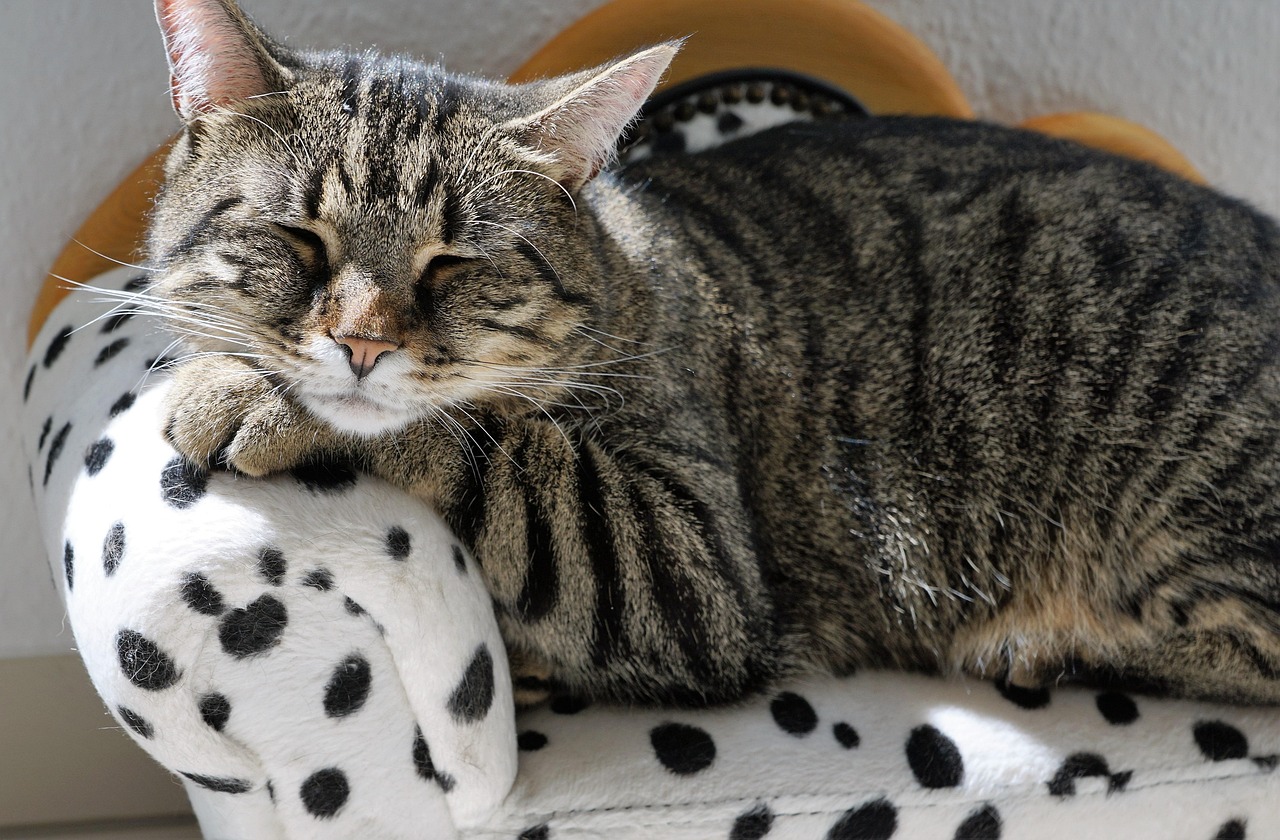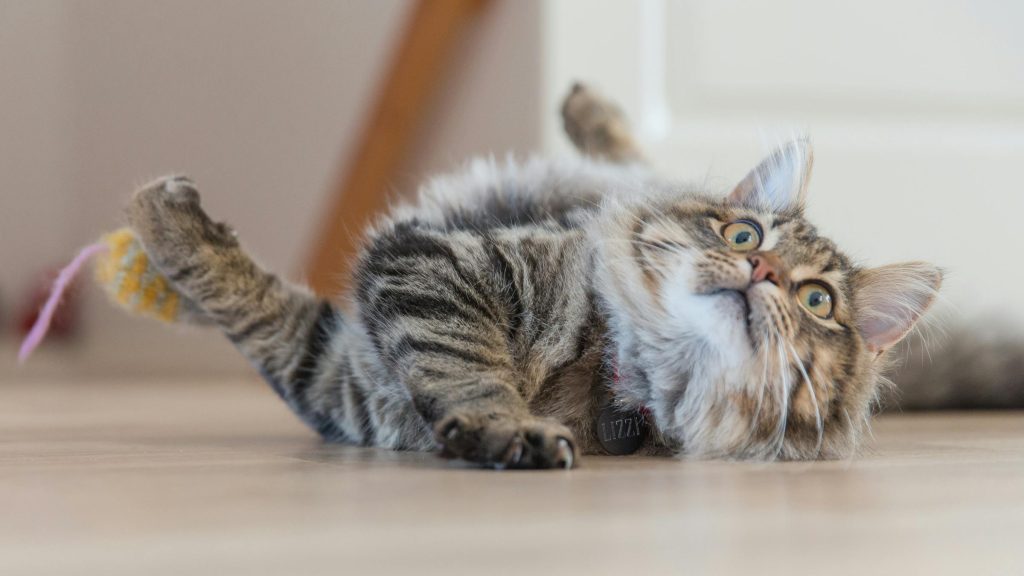
Understanding key cat health habits can help you support your cat’s well-being every single day.
Cats may seem independent, but their daily well-being depends heavily on the small routines we create at home. Some habits that feel harmless to us can slowly influence their mood, behavior, and overall health. Understanding these quiet triggers can help you keep your cat happier, healthier, and more comfortable every single day.
1. Skipping Regular Playtime
Even indoor cats need consistent exercise to stay mentally and physically healthy. When playtime becomes irregular, cats may develop boredom, weight gain, or pent-up energy that turns into destructive behavior.
Try this: Schedule at least 10–15 minutes of interactive play twice a day. Wand toys and laser pointers are perfect for stimulating natural hunting instincts.
2. Ignoring Subtle Behavioral Changes
Cats rarely show obvious signs of discomfort. Small shifts like hiding more, sleeping in new places, or acting clingy may be early clues that something is off.
What to watch for: sudden irritability, excessive vocalization, or changes in routine. Early observation can help catch issues before they become serious.
If you’re noticing appetite changes, lethargy, or unusual hiding, you may also find our guide on early signs your cat may be sick helpful.
3. Keeping the Litter Box “Just Clean Enough”
Cats are extremely sensitive to scent. A litter box that looks fine to humans may feel dirty to them — which can lead to avoidance, accidents, or stress-related behaviors.
Healthy habit: Scoop once daily and fully refresh the litter weekly. Place boxes in quiet, low-traffic areas.
4. Leaving Food Out Too Long (or Feeding Inconsistently)
Cats thrive on routine. Irregular feeding schedules or leaving kibble out all day can cause overeating, digestive issues, or anxiety around mealtime.
Better approach: Serve measured meals at consistent times. Wet food should be removed after 1–2 hours to prevent bacteria growth.
5. Overlooking Grooming Needs
Many owners assume healthy cats groom themselves perfectly — but that’s not always true. Behind-the-ear knots, dull fur, or dandruff can signal stress, dehydration, or skin issues.
Tip: Brush your cat gently a few times a week. Regular grooming also helps you notice lumps, bumps, or irritation early.
6. Using Strong Household Scents
Air fresheners, scented candles, perfumes, and cleaning sprays may smell great to humans, but cats have extremely sensitive noses. Certain fragrances can irritate their airways or cause allergies.
Switch to: fragrance-free cleaners and avoid spraying perfumes near your cat’s bedding or favorite areas.
7. Not Rotating Toys or Environmental Enrichment
Cats can get bored of the same toys quickly. A lack of new stimulation may contribute to stress, lethargy, or unwanted behaviors
.Simple fix: Rotate toys weekly, introduce puzzle feeders, or add scratching posts and vertical spaces.
When Cat Health Habits Become a Concern
If your cat shows sudden changes in appetite, energy, breathing, or litter habits, it may be time to speak with a veterinarian.
According to the American Veterinary Medical Association, early detection makes treatment more effective and stress-free for your cat.
Cats thrive when their basic needs — play, routine, nutrition, and environment — are consistently supported. Improving just one or two cat health habits can noticeably change your cat’s energy and mood.
Strengthening your cat’s daily routine doesn’t need to be complicated. Small improvements like cleaner feeding habits, better playtime structure, and a calmer home environment all support healthier cat health habits. Even adjusting just one or two of these habits can noticeably improve your cat’s mood, comfort, and overall well-being.
Final Thoughts
Small daily habits can make a surprisingly large impact on your cat’s well-being. By paying attention to routine, environment, and subtle behavioral changes, you can help your cat feel healthier, more secure, and more loved every day.
Caring for a cat isn’t just about food and shelter — it’s about understanding their quiet needs and adjusting little things that help them thrive.