Wet Food vs Dry Food for Cats: What’s Better for Your Cat?
Wet food vs dry food for cats is one of the most common questions cat owners ask, especially when trying to make healthier choices for their pets. With so many opinions online, it’s easy to feel confused or even guilty about what you’re feeding your cat. The truth is, there isn’t one perfect answer — but there is a smarter way to choose.
Understanding how each option affects your cat’s hydration, digestion, teeth, and daily routine can help you make a confident decision.
Wet Food vs Dry Food for Cats: Nutrition Differences
When comparing wet food vs dry food for cats, moisture content is the biggest difference. Wet food contains a high amount of water, which closely mimics the natural diet of cats. Since cats naturally have a low thirst drive, this extra moisture can play an important role in their overall health.
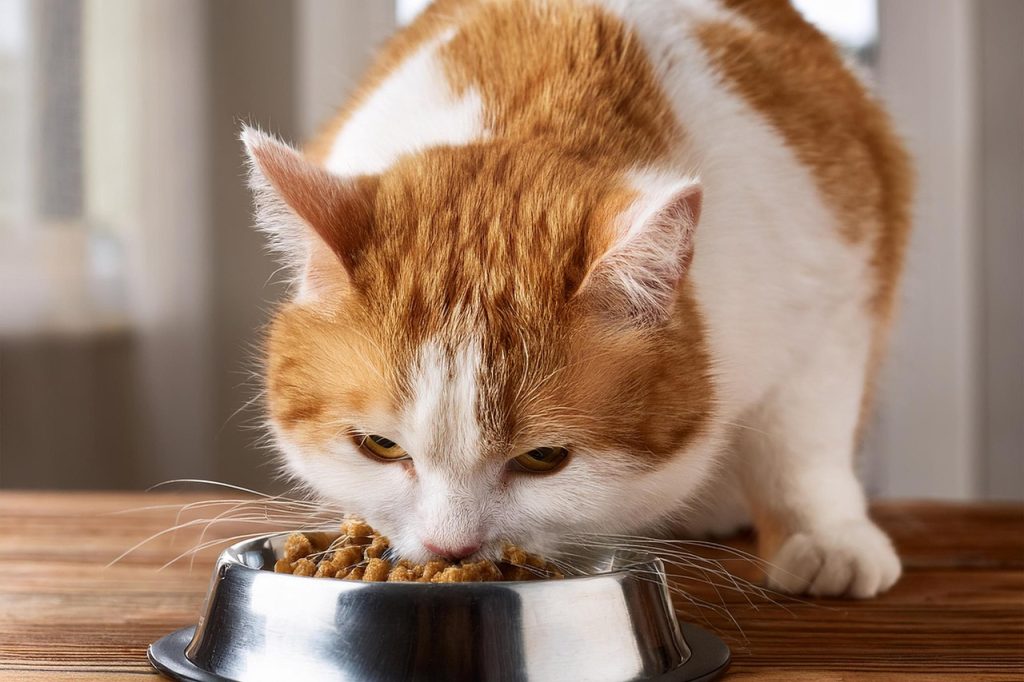
Dry food, on the other hand, is more calorie-dense and contains less water. While it still provides essential nutrients, cats eating only dry food may not get enough hydration unless they drink plenty of water separately.
How Wet Food Supports Hydration and Urinary Health
One major advantage in the wet food vs dry food for cats debate is hydration. Wet food helps support kidney and urinary tract health, especially in cats prone to urinary issues. Many veterinarians recommend wet food for older cats or cats with a history of bladder problems for this reason.
Cats that rarely drink water often benefit the most from having wet food included in their diet.
According to the American Veterinary Medical Association, moisture-rich diets can support hydration in cats that don’t drink enough water.
Is Dry Food Bad for Cats’ Teeth?
Dry food is often praised for dental benefits, but the truth is more balanced. While some dry foods may help reduce plaque slightly, most cats swallow kibble whole rather than chewing it thoroughly. Dental health depends more on genetics, dental care, and regular checkups than on food alone.
That said, dry food can still be part of a healthy routine when paired with proper dental care.
In real life, many cat owners don’t choose one side strictly. They offer wet food once or twice a day and leave a small portion of dry food for grazing. This approach keeps meals interesting for the cat while helping with hydration and daily calorie control. If your cat is healthy, active, and maintaining a good weight, this balanced method often works well.
Convenience and Cost: A Real-Life Consideration
For many households, wet food vs dry food for cats isn’t just about nutrition — it’s also about lifestyle. Dry food is easier to store, lasts longer, and is often more budget-friendly. It’s especially convenient for busy owners or automatic feeders.
Wet food requires refrigeration after opening and usually costs more, but many owners feel the health benefits justify the expense.
What About Picky Eaters?
Cats are known for being selective, and food texture matters. Some cats strongly prefer wet food because of its smell and softness, while others enjoy the crunch of dry kibble. Many owners find that combining both works best, offering variety without stress.
A mixed feeding approach can also help balance hydration, nutrition, and convenience.
So, Which Is Better?
When it comes to wet food vs dry food for cats, the best choice depends on your cat’s age, health, and preferences. Wet food supports hydration and urinary health, while dry food offers convenience and affordability. For many cats, a combination of both provides the best of both worlds.
At the end of the day, the healthiest diet is one your cat enjoys, tolerates well, and thrives on — not one that causes stress for you or your pet.
If your cat shows changes in appetite or behavior, you may also find our guide on signs of cat depression helpful.