Why Is My Cat Drooling? 5 Shocking Causes You Shouldn’t Ignore
If you’ve noticed your cat drooling more than usual, it can be both puzzling and worrisome. While some drooling is normal—such as when a cat is relaxed or purring excessively—excessive or sudden drooling can signal health problems that require attention.
In this blog, we’ll explore 5 shocking causes of cat drooling that you shouldn’t ignore to keep your feline friend healthy and comfortable.
Why Is My Cat Drooling? 5 Causes You Should Know About
1. Dental Disease and Mouth Problems
Dental issues like gingivitis, tooth decay, abscesses, or oral infections are among the most common reasons for excessive drooling. Pain or discomfort in the mouth can cause your cat to salivate more. Check for bad breath, swollen gums, or difficulty eating, and consult your vet for a dental exam. Untreated dental disease can lead to more serious health problems, including infections that spread to other parts of the body.
According to the American Veterinary Medical Association, dental disease is very common in adult cats and often goes unnoticed early on.
2. Nausea or Digestive Upset
Just like humans, cats may drool when they feel nauseous. Causes can include eating something toxic, gastrointestinal problems, or motion sickness during travel. If your cat also vomits, refuses food, or appears lethargic, seek veterinary care promptly. Recognizing nausea as a cause can help you address dietary or environmental factors contributing to your cat’s discomfort.
If you’ve also noticed vomiting, you may want to read our guide on why is my cat throwing up.
3. Poisoning or Toxic Exposure
Exposure to toxic plants, chemicals, or certain foods can cause drooling as a symptom of poisoning. This is a medical emergency—if you suspect your cat ingested something harmful, contact your vet or an emergency animal poison control center immediately. Time is critical in these situations, and quick action can save your cat’s life.
4. Oral or Throat Injuries
Injuries to the mouth, throat, or tongue—such as cuts, foreign objects stuck in the mouth, or trauma—can trigger drooling. Cats may paw at their mouth or show signs of pain. A vet check is necessary to diagnose and treat injuries. Left untreated, these injuries could lead to infections or worsen, causing prolonged discomfort.
5. Stress or Anxiety
In some cases, stress or anxiety can cause cats to drool, especially during vet visits, car rides, or unfamiliar situations. This drooling is usually temporary but can be a sign your cat is uncomfortable or scared. Understanding your cat’s triggers can help you create a calm environment to reduce stress-related symptoms.
What Should You Do?
If your cat’s drooling is sudden, excessive, or accompanied by other symptoms like bad breath, vomiting, lethargy, or difficulty eating, don’t ignore it. Schedule a veterinary visit to determine the cause and get appropriate treatment.
FAQs
Is some drooling normal in cats?
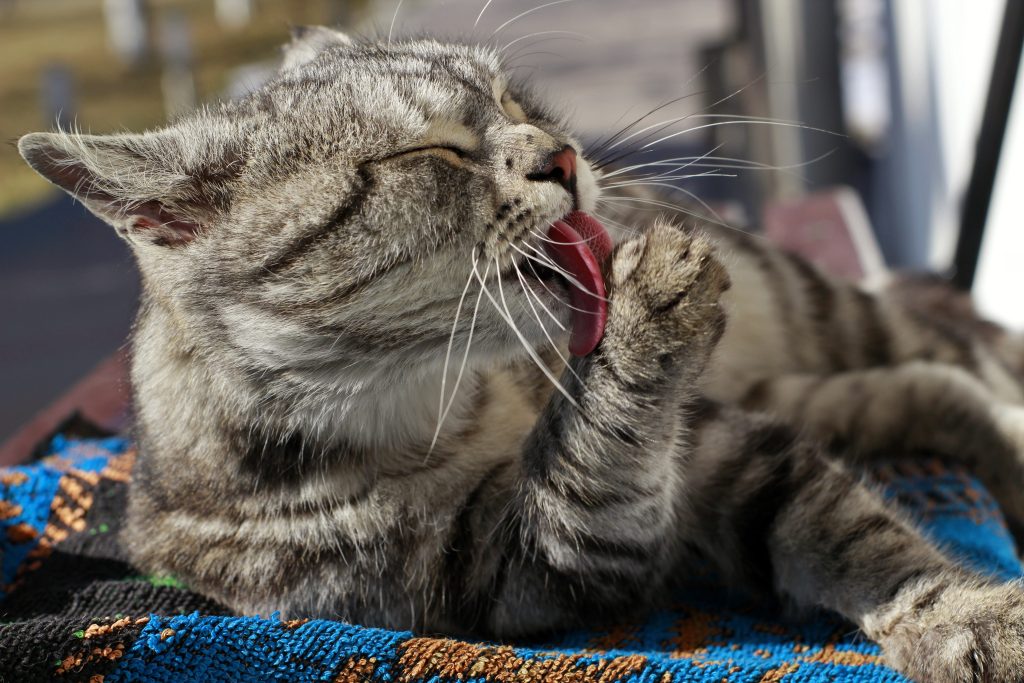
Yes, mild drooling can be normal during relaxation, purring, or while grooming. Excessive or sudden drooling, however, should be evaluated.
Can dental cleaning fix drooling caused by oral problems?
Yes, professional dental cleaning and treatment of infections often resolve drooling caused by dental disease.
What should I do if my cat is drooling and showing signs of poisoning?
Seek emergency veterinary care immediately. Do not try to induce vomiting without professional advice